Mobility and logistics Independent Software Vendors (ISVs) invest heavily in operational capabilities. Fleet visibility, route planning, compliance management, warehouse workflows, transportation management: these are capabilities that bring customers onto your platform and keep them there.
But operational management is only one part of what your customers need from your ecosystem.
The gap between Need and Fulfillment
Every day, your customers – system integrators managing deployments for their clients, fleet operators running their own operations, warehouse and logistics managers overseeing day-to-day workflows – encounter requirements that go beyond managing operations.
A fleet operator gets a vehicle alert and needs spare parts. A system integrator is evaluating hardware for a new customer deployment. A warehouse operator needs a software integration to support a process change. In each case, the need surfaces within your ecosystem. But fulfilling it happens somewhere else.
Your customers turn to distributor networks, vendor contacts, and external channels to evaluate options and place orders. The process is manual, fragmented, and outside your ecosystem. Your platform supports how customers manage operations. It plays no role in how they source the solutions those operations depend on. That is the supplier-demand gap.
What the gap costs ISVs
This gap has three direct consequences. The first is competitive exposure. When your customers leave your platform to source a solution, they are actively engaging with other vendors and ecosystems at the moment they have a specific need and intent to spend. That is the moment a competitor can step in and build the relationship your platform is not building.
The second is platform value. If your platform handles operations but not procurement, it solves only part of the customer's job. That limits how central your platform is to them and how deeply embedded it becomes in their daily workflow.
The third is revenue. Procurement transactions that happen outside your platform are transactions you have no participation in. For platforms looking to grow beyond software subscriptions, transaction-led revenue is an important additional stream.
How ISVs are closing the gap
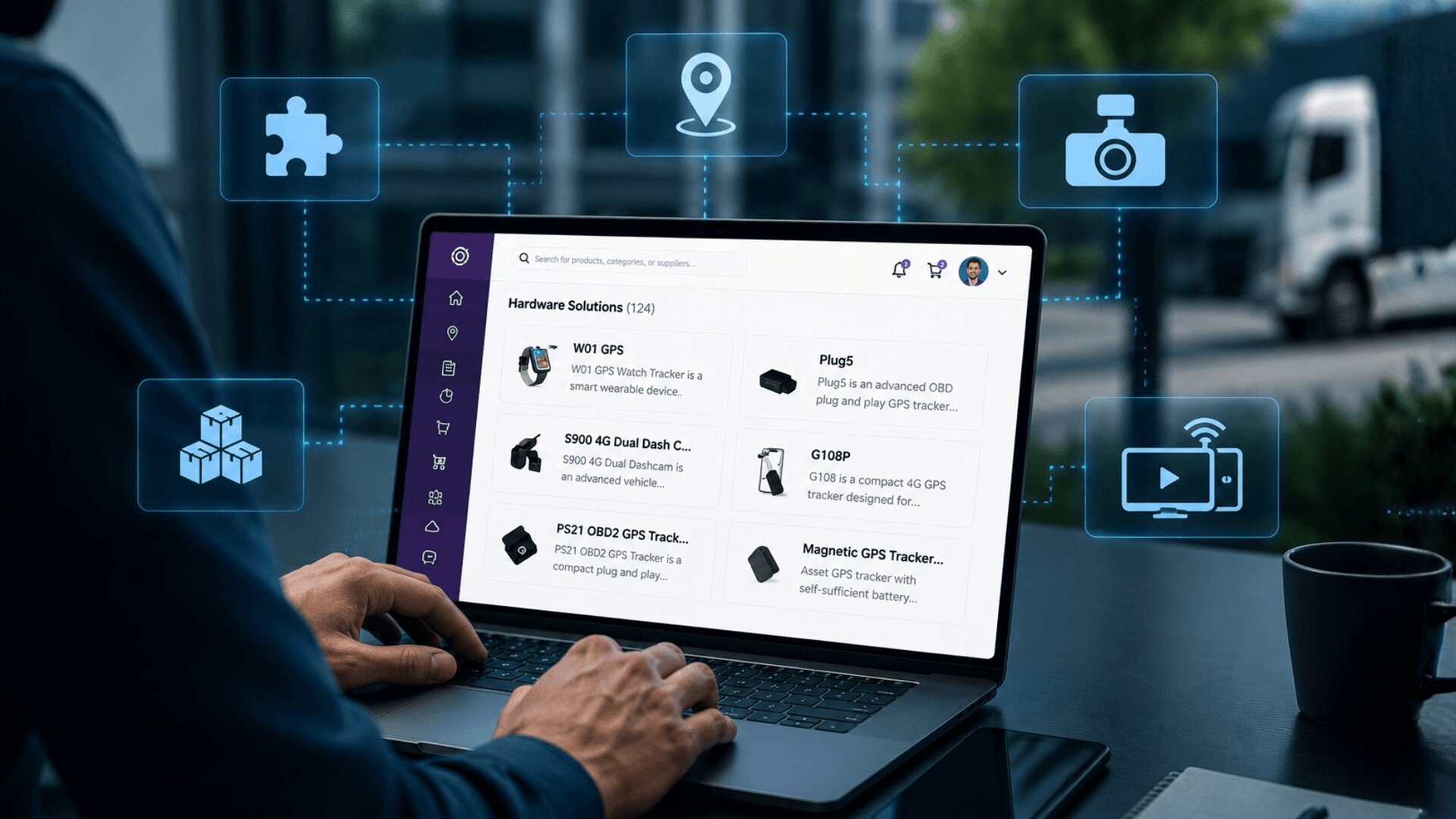
The most direct way to close the supplier-demand gap is to bring supplier discovery and procurement into your platform. This does not mean building a marketplace from scratch. It means embedding one into what you have already built. When a requirement is identified in your platform, your customers can immediately discover relevant hardware, software, services, and suppliers instead of turning to external vendors and distributor networks.
A vehicle alert can lead directly to relevant spare parts. A deployment requirement can surface compatible hardware options. An integration need can connect customers with relevant software and service providers. Your platform no longer stops at identifying a requirement. It becomes part of how that requirement is fulfilled. This deepens your platform's role in your customers' workflows, reduces reliance on external vendor channels, and creates opportunities for transaction-led revenue beyond software subscriptions.
How Bosch helps ISVs close the supplier-demand gap
Bosch has developed embedded supplier discovery and procurement capabilities for mobility and logistics ISVs. These capabilities integrate directly into an existing platform, allowing customers to search, compare, and procure hardware, software, services, and spare parts without leaving the ecosystem. There is no separate storefront and no additional login. It matches the look and feel of your platform so customers experience it as a native part of the environment they already use.
You own the platform experience. We manage the infrastructure.
The result is a platform that is present at every customer requirement, not just operational ones. Learn how mobility and logistics ISVs are closing the supplier-demand gap. Request a walkthrough via the form below.